How to Exercise an Overweight Dog Safely

The safest way to exercise an overweight dog is to start with your veterinarian, then build activity slowly. For many dogs, that means short walks first, careful monitoring, and a plan that pairs movement with diet changes—because exercise helps, but food intake usually drives most weight loss.
Start with your veterinarian before you add exercise
If your dog is carrying extra weight, the first step is not a longer walk. It is confirming the problem and making sure there is not pain, joint disease, or another issue that should change the plan.
AAHA recommends using body condition score and watching for signs such as ribs that are hard to feel, no visible waist, and reduced stamina. A vet can confirm whether your dog is overweight, estimate a healthy target weight, and help you build a weight-loss plan that is safe for your dog’s age, breed, and health status.
- Ask your vet to assess body condition score and muscle condition.
- Discuss any limping, stiffness, heavy panting, heat intolerance, or reluctance to move.
- Ask whether your dog should start with walking only or can add play, hills, or other activities.
- Review food, treats, table scraps, and feeding amounts at the same visit.
AAHA also notes that safe weight loss should be slow and steady, generally about 1% to 3% of body weight per month. That is another reason to avoid crash plans or sudden, intense workouts.
Use walking as the foundation of obese dog activity
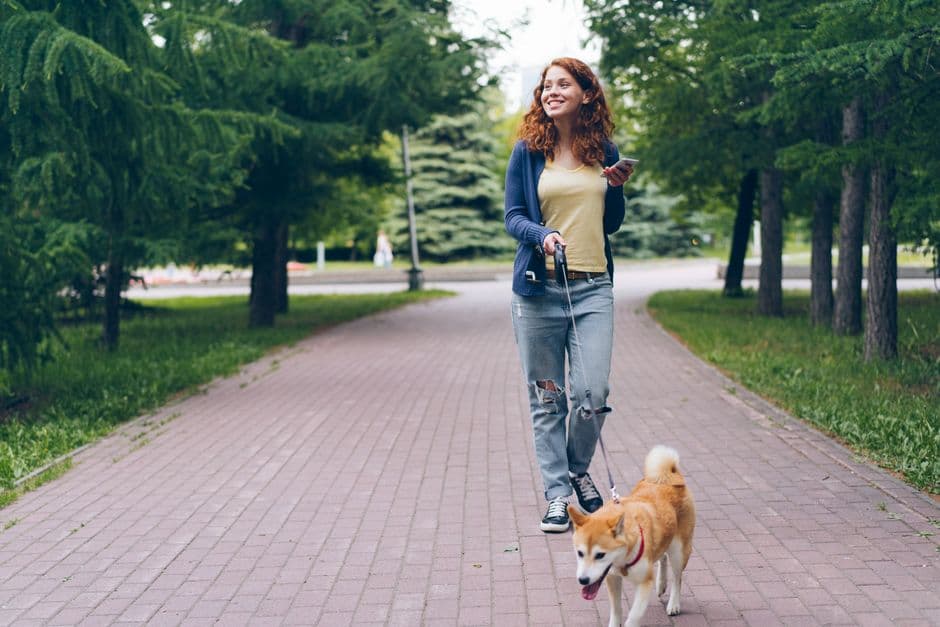
For most dogs, walking is the safest and most practical place to begin. It is low impact, easy to control, and simple to repeat consistently.
AKC notes that all dogs need movement and describes walking as the core exercise for many dogs trying to lose weight. As a general minimum, AKC recommends at least 20 minutes twice a day for dogs that can tolerate it, but an overweight dog may need a gentler entry point first.
AAHA’s weight-management guidelines give a clear starting point for an obese dog without orthopedic restrictions: begin with 5-minute walks three times a day, if possible. That short-and-frequent pattern is often easier on joints and stamina than one long outing.
A simple starting plan
- Begin with 5 minutes of walking, 3 times daily, if your vet agrees.
- Keep the pace easy enough that your dog can move without struggling.
- Use flat routes at first and avoid steep hills, deep sand, or long stair sessions.
- Stick with the plan for several days before adding more time.
- Increase gradually, not all at once.
AKC suggests increasing current exercise by about 10% to 20% when a dog needs to lose weight. AAHA similarly advises gradually increasing each session’s duration and intensity. That means you should not jump from a few minutes a day to an hour-long weekend walk.
| Dog’s starting point | Safer first step | What to avoid at first |
|---|---|---|
| Very sedentary, easily tired | 5-minute flat walks, 3 times daily, with vet approval | Long hikes, running, repeated fetch sprints |
| Already walking a little | Increase total walking by about 10% to 20% | Doubling distance overnight |
| Has pain, stiffness, or known joint issues | Individualized plan from your vet | Any new routine without professional guidance |
Progress slowly and watch your dog, not the clock
The key takeaway is simple: gradual progress is safer than ambitious progress. Your dog’s breathing, gait, and recovery matter more than hitting a round number.
AAHA advises gradually increasing both duration and intensity. In real life, that might mean extending a 5-minute walk to 6 or 7 minutes after several comfortable days, or adding a few extra minutes to just one of the day’s walks before changing all three.
Signs you can progress
- Your dog finishes walks interested and steady, not wiped out.
- Breathing settles back to normal within a reasonable recovery period.
- Your dog is willing to go again at the next scheduled outing.
- There is no new limping, stiffness, or soreness afterward.
Signs to pause and call your vet
- Limping, lagging behind, or refusing to continue
- Marked stiffness after walks or trouble getting up
- Heavy panting that seems out of proportion to the effort
- Collapse, distress, or any sudden change in mobility
If weight loss is difficult or your dog has pain, joint disease, or other health concerns, AAHA recommends individualized activity planning. The same guidance notes that a veterinary rehabilitation practitioner may help design an exercise program that supports fat loss while maintaining muscle mass. If your dog is sore or progress stalls, talk to your veterinarian rather than pushing harder.
Add low-impact movement beyond walks
Walking does most of the work, but extra low-impact activity can help your dog move more without turning every session into a workout. AAHA specifically suggests walking, play, and interactive toys.
For many dogs, short bursts of gentle movement throughout the day are easier than one long session. This approach can also help on bad-weather days or when your dog is still building stamina.
Good options for overweight dog exercise
- Sniff walks: Slow walks with time to sniff can keep the pace comfortable while still adding total movement.
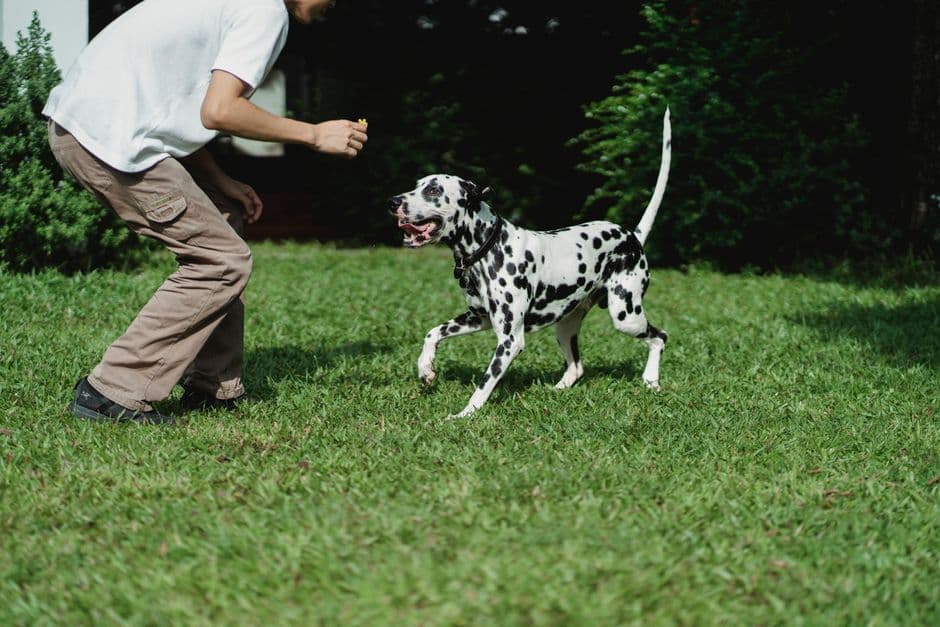
- Short play sessions: Gentle tug, hide-and-seek, or controlled toy games may help your dog stay engaged without repeated jumping.
- Interactive feeding toys: These can add light activity and slow down eating at the same time.
- Indoor movement breaks: A few minutes of hallway walking or simple cues between naps can increase daily activity.
Skip high-impact choices at the start, especially if your dog is obese or deconditioned. Repeated jumping, hard stops during fetch, and forced running beside a bike can overload joints and soft tissues.
Remember that dog weight loss walking works best with diet control
Exercise matters, but it is not the whole plan. AKC summarizes veterinary guidance this way: weight loss in dogs is roughly 60% to 70% diet and 30% to 40% exercise.
That does not make walking less important. Regular movement may help support muscle mass, mobility, routine, and daily energy use. But if food portions, treats, and extras stay too high, even a faithful walking schedule may not move the scale much.
Practical ways to pair activity with food changes
- Measure meals accurately instead of estimating by eye.
- Count treats as part of the daily intake.
- Use part of your dog’s meal for training rewards.
- Weigh your dog regularly at your vet clinic, if possible.
- Adjust only with veterinary guidance, especially if your dog has health issues.
If you are tracking activity, focus on total daily movement, not just one perfect walk. That is where a breed-tuned approach can be helpful: not every dog needs the same distance, pace, or goal, and a smaller senior dog will not have the same target as a young sporting breed. A phone-first tracker such as Pawmi can help you notice patterns and build consistency around your dog’s breed, age, weight, and health, but it should support—not replace—your veterinarian’s plan.
Make the routine safer, easier, and more sustainable
The best obese dog activity plan is one you can repeat calmly for months. Consistency usually beats intensity.
Choose cooler parts of the day, bring water on longer outings, and use a comfortable walking setup your dog already handles well. Overweight dogs may tire faster in heat, so be cautious with midday exercise and hot pavement.
Safety habits that help
- Warm up with an easy first minute rather than starting fast.
- Walk on level, predictable surfaces whenever possible.
- Keep nails trimmed to support traction and comfortable gait.
- Use shorter, more frequent outings if one long walk leaves your dog spent.
- Track trends week to week instead of expecting daily weight changes.
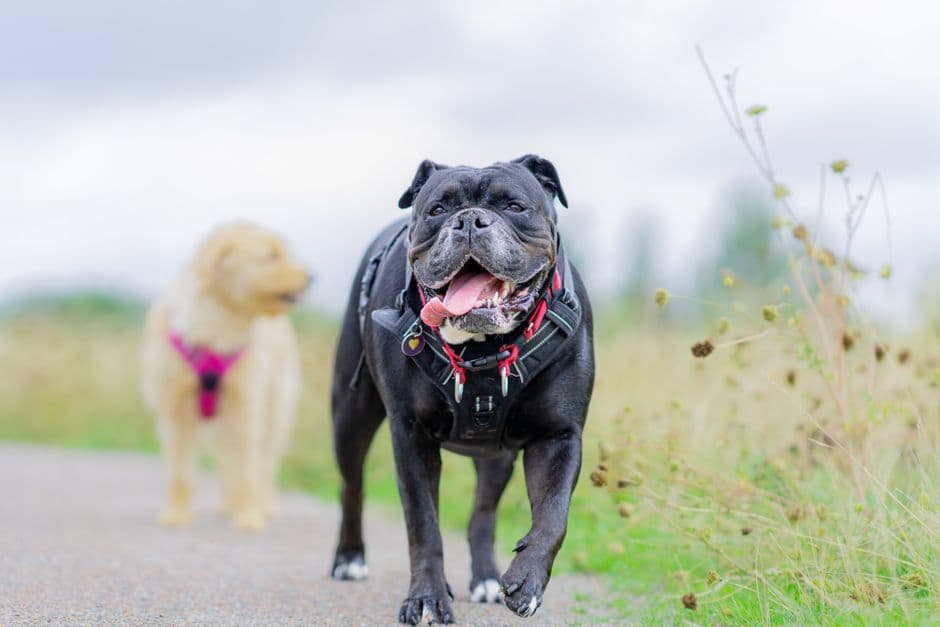
If your dog is a flat-faced breed, a senior, or has a history of orthopedic trouble, be extra conservative and consult your vet early. Those dogs may need a more customized pace and schedule.
The goal is not to exhaust your dog. It is to create steady, manageable activity that may support weight loss and overall wellness while keeping your dog comfortable enough to do it again tomorrow.