How Hot Is Too Hot to Walk a Dog by Breed?

If you’re asking how hot is too hot to walk a dog, use this simple rule: once the air temperature reaches 85°F, treat outdoor walks with caution and check the ground before every outing. For many dogs, the bigger danger is not the air alone but surface heat, especially for flat-faced dogs, short-legged dogs, puppies, seniors, and any dog with health concerns.
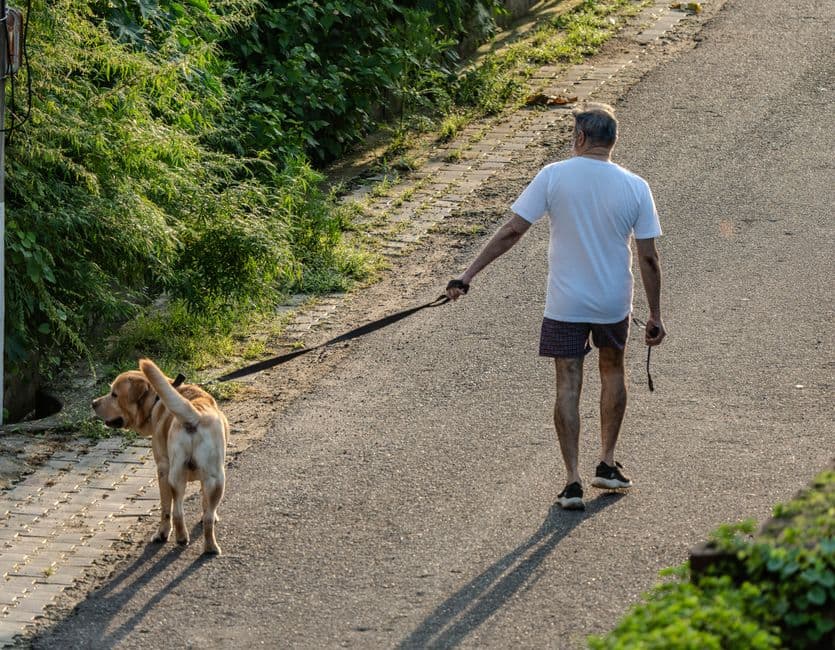
A safe temperature to walk a dog depends on your dog’s breed, body shape, age, fitness, and the walking surface. In hot weather, shorter, shaded walks on grass or dirt are usually safer than a full walk on asphalt or concrete, and sometimes the safest choice is skipping the walk and getting activity indoors instead.
Why hot pavement can be riskier than hot air
The key takeaway: your dog walks on the hottest part of the environment. Even when the air feels manageable to you, pavement can become hot enough to injure paw pads quickly.
According to the American Animal Hospital Association (AAHA), pavement, concrete, sand, metal, and artificial turf can run 40–60°F hotter than the air. AAHA notes that on an 86°F day, asphalt can reach about 135°F, which is hot enough to burn paws in about 60 seconds.
The American Kennel Club (AKC) echoes the same risk and says that if the air temperature is 85°F or higher and pavement has not had a chance to cool, the ground may be too hot for safely walking a dog. That is why your decision should start with both the forecast and the surface under your dog’s feet.
| Condition | What it means for your walk |
|---|---|
| Below 85°F with shade and cool ground | Often manageable for many healthy dogs, but still check the surface. |
| 85°F or higher | Treat as a caution point; shorten walks, choose cooler times, and avoid hot pavement. |
| Sunny asphalt, concrete, sand, metal, or turf | Higher paw-burn risk because surfaces may be far hotter than the air. |
| Grass or dirt in shade | Usually a safer choice than paved routes in hot weather. |
Breed matters: some dogs overheat faster
The key takeaway: not every dog handles heat the same way. Breed and body shape can change how quickly a walk becomes unsafe.
Flat-faced dog heat risk is especially important to understand. AAHA warns that brachycephalic dogs, including breeds like Bulldogs, Pugs, French Bulldogs, Boston Terriers, and Shih Tzus, can be affected after mere minutes outside, even when temperatures are not extreme. A 2024 peer-reviewed VetCompass study found that brachycephalic dogs had 4.21 times the odds of heat-related illness compared with mesocephalic dogs.
AKC also notes that flat-faced breeds heat up faster and that small, short-legged dogs may absorb more heat because they are closer to the ground. That means a French Bulldog, Dachshund, Corgi, Pekingese, or small terrier on hot pavement may face a different level of risk than a taller dog on the same route.
Dogs that need extra caution in heat
- Flat-faced breeds: Pugs, Bulldogs, French Bulldogs, Boston Terriers, Boxers, Shih Tzus, Pekingese.
- Short-legged or low-to-the-ground dogs: Dachshunds, Corgis, Basset Hounds, small terriers.
- Puppies and seniors: they may tire faster and handle heat less predictably.
- Dogs with health concerns or extra body weight: talk to your veterinarian about a safer hot-weather routine.
- Thick-coated or dark-coated dogs: they may warm up faster in direct sun and often need shorter, slower outings.
This is where a breed-tuned approach helps. Rather than chasing a generic step goal, it makes more sense to adjust your dog’s daily activity by breed, age, weight, health, and weather, then spread movement across cooler parts of the day.
Use the pavement test before every summer walk
The key takeaway: if the ground is too hot for your hand, it is too hot for your dog’s paws. This quick check is one of the easiest ways to prevent burns.
For the pavement test for paws, AAHA recommends placing the back of your hand on the walking surface for 7 seconds. If you cannot keep it there comfortably, it is too hot for your pet. AKC gives a similar 10-second hand test for pavement safety.
How to do the pavement test
- Test the exact surface your dog will walk on, not just the sidewalk near your door.
- Place the back of your hand on the pavement, concrete, turf, sand, or metal.
- Hold it there for 7 seconds, following AAHA guidance.
- If it feels too hot to keep your hand there, change the route or skip the walk.
Remember that surfaces vary a lot. Black asphalt in direct sun is often much hotter than pale concrete in shade, and artificial turf or metal surfaces can stay surprisingly hot. Parking lots, apartment courtyards, rooftop turf, and beach paths deserve the same caution as roads and sidewalks.
Better choices when the ground is hot
- Walk early in the morning or late in the evening.
- Choose shaded streets, tree cover, or park paths.
- Prefer grass or dirt trails over asphalt and concrete.
- Use shorter potty breaks instead of a long midday walk.
- Shift play and training indoors when needed.
AAHA specifically advises early morning or late evening walks, shady routes, and grass or dirt trails when possible. In practice, timing often matters more than mileage on hot days.
Warning signs to stop the walk right away
The key takeaway: heat trouble can build quickly, and paw burns may show up during or after the walk. If your dog seems off, end the outing and cool things down fast.
AKC lists several signs of heat stress during a walk, including seeking shade, slowing down, uncontrolled panting, vomiting, reddening skin, and excessive saliva. AAHA lists limping, reluctance to walk, licking or chewing paws, redness, and blisters as warning signs of paw burns.
Signs your dog may be too hot
- Stopping often or lagging behind
- Heading for shade or refusing to keep moving
- Heavy or uncontrolled panting
- Thick drool or excessive saliva
- Vomiting
- Reddened skin
Signs the surface may have burned your dog’s paws
- Limping
- Reluctance to walk
- Licking or chewing the feet
- Red paw pads
- Blisters
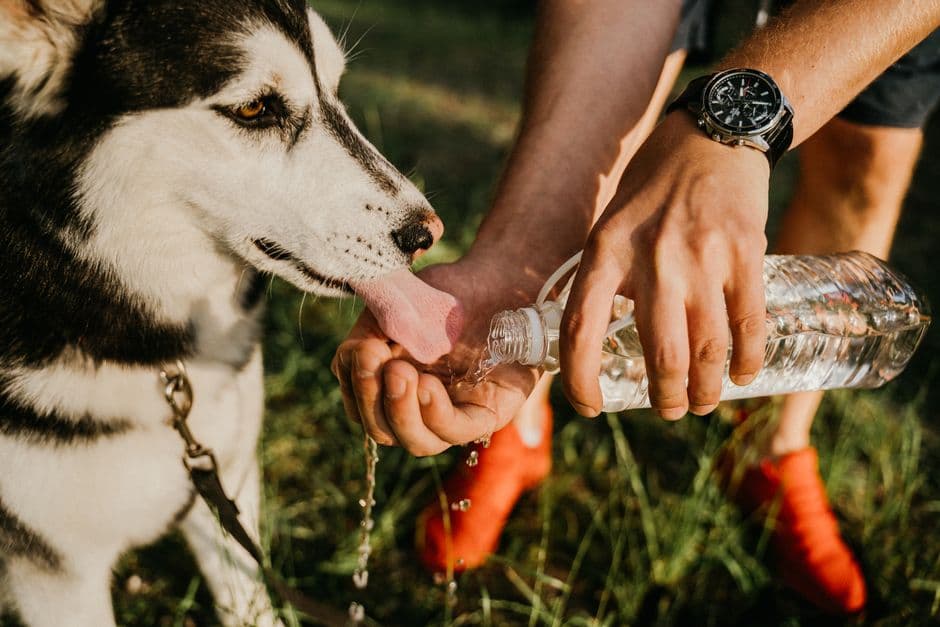
If you see mild signs, stop the walk, move your dog to shade or air conditioning, and offer water. If your dog is not cooling down, seems distressed, or shows serious symptoms, seek veterinary care right away. AAHA notes that heatstroke can happen even when it is not extremely hot and reports fatality rates upwards of 50% in affected cases, which is why fast action matters. For any concern about overheating, especially in a flat-faced dog or a dog with medical issues, consult your vet.
A practical hot-weather walking guide by breed type
The key takeaway: use breed type to adjust the plan, not to override common sense. The same 82–88°F day can be manageable for one dog and risky for another depending on surface, sun, pace, and body shape.
Instead of asking only “How many minutes should my dog walk?” ask three questions first: What is the air temperature? How hot is the surface? What kind of dog am I walking?
Flat-faced dogs
Be conservative. For Bulldogs, Pugs, French Bulldogs, Boston Terriers, and similar breeds, even a short midday walk can be too much in warm conditions. Favor brief potty breaks, very early or late outings, shade, and cool indoor enrichment. If your dog has noisy breathing, a history of heat stress, or low exercise tolerance, talk to your veterinarian about a safer routine.
Small or short-legged dogs
Be extra careful with surface heat. Breeds like Dachshunds, Corgis, Basset Hounds, and many toy breeds are physically closer to hot pavement, so the pavement test matters even more. Choose grassy edges, avoid parking lots, and keep routes short on warm afternoons.
Medium and larger active dogs
Do not assume bigger means safer. Even dogs that enjoy long walks can overheat if the pace is high, the route is sunny, or the pavement is hot. Break up activity into shorter sessions and aim for cooler parts of the day rather than trying to hit one long walk.
Puppies, seniors, and dogs with health concerns
Keep expectations modest in summer. These dogs may benefit from slower sniff walks, brief training sessions, and indoor games instead of distance. If your dog has heart, airway, mobility, or weight concerns, consult your vet before exercising in heat.
This is also a good place for total-daily-activity tracking to help. A breed-tuned goal can help you spread movement across the day, so your dog still gets appropriate activity without forcing a risky midday outing.
What to do instead of a hot midday walk
The key takeaway: skipping one hot walk is often the safer choice, not a failure. You can still meet your dog’s needs with cooler, lower-risk activity.
- Trade one long walk for three short outings: early morning, after sunset, and a quick shaded potty break.
- Use indoor movement: short fetch, tug, hide-and-seek, scent games, or basic training reps.
- Prioritize sniffing over speed: a slower walk in shade may be more comfortable than a brisk march.
- Bring water and watch the pace: heat changes what a normal walk should look like.
- Recheck the ground every time: a route that was fine at 8 a.m. may not be safe at noon.
If you are unsure whether it is safe, choose caution. The best summer walking habit is not pushing through heat for a generic target, but adapting the plan to your dog and the day in front of you.