How Much Exercise Does a Cocker Spaniel Need?

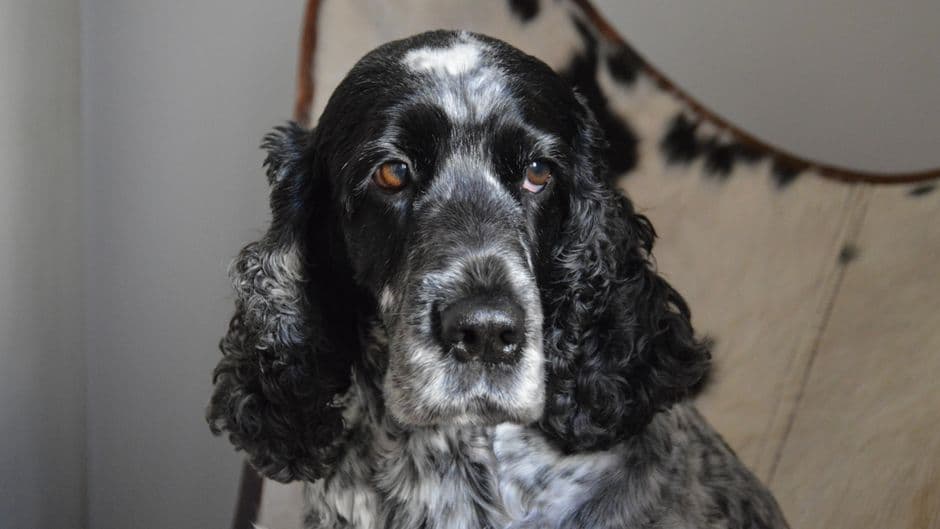
Cocker Spaniels need daily exercise and mental stimulation, but most do best with steady, moderate activity rather than intense endurance work. For many healthy adult Cockers, a good routine is 2 walks a day plus play and short training sessions, adjusted for age, fitness, and whether your dog is an American or English Cocker Spaniel.
What most Cocker Spaniels need each day
The short answer is consistency. Both the American Cocker Spaniel and the English Cocker Spaniel are active sporting dogs, and major breed references agree they need exercise every day for physical and mental well-being.
The AKC’s Cocker Spaniel breed guidance says Cockers benefit from daily exercise and mental stimulation, with walks, fetch, and play sessions as suitable outlets. VCA’s American Cocker Spaniel profile similarly says the breed requires daily exercise, such as a long walk, jog, or energetic games.
That does not mean your dog needs nonstop hard exercise. PetMD notes that while Cocker Spaniels are sporting dogs, they do not usually require high levels of exercise and often enjoy walking with family, playing with toys, or fetching a ball a few times a day.
- Healthy adult American Cocker Spaniel: usually does well with daily walks, play, and training.
- Healthy adult English Cocker Spaniel: often needs a bit more total activity and may enjoy longer walks or hikes.
- Puppies and seniors: need shorter, more flexible sessions.
If you use a breed-tuned tracker like Pawmi, the goal is not to chase a one-size-fits-all step target. It is to watch your dog’s total daily activity in context: breed, age, weight, and health all matter.
Why Cocker Spaniel exercise needs are moderate, not extreme
Cocker Spaniels were developed as sporting dogs, so they usually like movement, games, and having a job to do. But compared with larger, more relentless field-bred sporting breeds, many Cockers are better matched to moderate daily activity spread through the day.
This breed difference comes down to purpose, build, and temperament. Cockers were bred to work closely with people, and many still show strong retrieving and scenting instincts. That is why walks, ball play, and training tend to suit them so well.
American vs. English Cocker Spaniel
The 2 closely related breeds often overlap in needs, but the English Cocker Spaniel is commonly the more active of the pair. The AKC’s English Cocker Spaniel profile says the breed requires daily exercise for physical and mental well-being and does well with long walks or hikes plus playing ball.
The same AKC profile also recommends using a leash on walks because hunting instincts remain strong. That is a useful point for both types of Cocker Spaniel: if your dog locks onto birds or scents, leash skills are part of the exercise plan, not separate from it.
Why brain work matters so much
Exercise for a Cocker is not just about distance. The AKC’s general exercise guidance says adult dogs need consistent, breed-appropriate exercise, and that mental stimulation is just as important as physical activity.
That fits this breed well. Many Cockers settle better after a sniffy walk, 10 minutes of obedience practice, and a short game of fetch than after a single long walk alone.
A practical Cocker Spaniel walking routine by age
The best routine is one your dog can recover from and repeat daily. VCA’s general exercise advice makes this point clearly: a 20-minute walk every day is better than a 2-hour walk on Sunday.
Use that idea to build your Cocker Spaniel walking routine around regular, moderate sessions rather than occasional big outings.
| Life stage | Typical daily routine | What to watch |
|---|---|---|
| Puppy | 2–3 short walks or yard sessions, plus 2–3 brief play or training sessions | Keep sessions short, protect growing joints, stop before your puppy is exhausted |
| Adult | 2 daily walks of about 20–30 minutes, plus fetch, toy play, or training | Adjust up or down for fitness, weather, and whether your dog is more laid-back or more driven |
| Senior | 2–3 shorter walks, gentle play, and easy training games | Watch for stiffness, lagging behind, reluctance to jump, or slower recovery; talk to your veterinarian |
Puppies
Cocker Spaniel puppies need activity, but they also tire quickly and are still developing coordination. Instead of one long walk, aim for several short outings and short play sessions during the day. Training can count too, especially name response, leash skills, and recall practice.
Keep it low-pressure. If your puppy starts biting the leash, flopping down, or losing focus, that usually means the session has gone on long enough.
Adults
For many healthy adult Cockers, 2 walks of 20–30 minutes each is a solid starting point, then add a few rounds of fetch or toy play. Some English Cockers, or more energetic American Cockers, may want a longer walk, a weekend hike, or a jog once fitness is built gradually.
If your dog comes home settled but not wiped out, you are close to the right level. If your dog still paces, pesters for attention, and cannot switch off, add mental work before assuming you need much more distance.
Seniors
Older Cockers often still enjoy routine, but they may prefer shorter, easier sessions. Gentle daily walks can help maintain mobility and routine, but if your dog shows coughing, limping, heat sensitivity, or unusual fatigue, consult your vet before increasing activity.
The best types of exercise for a Cocker Spaniel
Not all exercise works equally well for this breed. Cockers tend to thrive on activity that mixes movement, interaction, and problem-solving.
- Walks: the backbone of most Cocker routines. Let your dog sniff and explore safely rather than rushing every outing.
- Fetch or ball play: specifically recommended by both AKC breed guidance and PetMD as a good fit for Cockers.
- Training sessions: useful physical and mental exercise, especially for leash manners, recall, and impulse control.
- Hikes: often a good option for fit adults, especially English Cockers, if you build distance gradually.
- Toy play: tug, chase games with rules, and search games around the house can round out the day.
Don’t skip training as exercise
VCA notes that obedience training is essential for American Cocker Spaniels not only for control but also for the mental exercise it provides. That matters because a bored Cocker can become noisy, clingy, or overly busy even after a walk.
Try 5–10 minutes of training after a walk or before dinner. Simple reps of sit, down, touch, wait, loose-leash walking, and recall games can take the edge off while improving everyday manners.
Be careful with food rewards
Cocker Spaniels can gain weight easily, and that changes exercise comfort quickly. PetMD advises that treats used for reward-based training should be no more than 10% of your dog’s daily diet.
That means training snacks count. If you are doing 2–3 sessions a day, use tiny treats, part of your dog’s regular food, or non-food rewards like a toy toss or praise.
How to tell if your Cocker needs more or less exercise
The right amount of exercise shows up in your dog’s behavior and recovery. You are looking for a dog who is content, sleeps normally, eats normally, and is ready to go again the next day.
Signs your dog may need more activity
- Restless pacing after walks
- Constant toy-pushing or attention-seeking
- Excess barking from boredom
- Poor settling in the evening
- Pulling hard or acting overexcited at the start of every outing
Signs you may be doing too much
- Lagging behind on walks
- Reluctance to get up after activity
- Soreness the next day
- Heavy panting long after exercise ends
- Refusing play that your dog usually enjoys
If you notice these signs, pull back and reassess intensity, surface, and frequency. Talk to your veterinarian if your Cocker has ear issues, joint concerns, weight gain, heart concerns, or any sudden change in stamina.
Weather and coat matter
Cockers have a fairly substantial coat, and some struggle in heat or humidity. On warm days, shift walks earlier or later, shorten sessions, bring water, and swap distance for indoor games and training when needed.
Because many Cockers are enthusiastic and people-focused, they may keep going longer than is comfortable. It is your job to set the pace.
Putting it all together: an easy weekly plan
You do not need a complicated fitness schedule. Most Cocker Spaniels do well when you repeat a simple daily pattern and make small adjustments as your dog’s needs change.
- Start with 2 walks a day: try 20 minutes in the morning and 20–30 minutes later in the day.
- Add 1–2 play breaks: fetch, toy games, or backyard sniffing.
- Include 5–10 minutes of training: once or twice a day if your dog enjoys it.
- Use weekends for variety, not catch-up: a longer walk or easy hike is great, but do not rely on a single 2-hour outing to replace daily movement.
- Track the whole day: walks, play, and training all count toward your dog’s total activity picture.
That is where a breed-tuned approach can help. Instead of treating every dog like they need the same step goal, look at your Cocker as an individual: American or English, puppy or senior, lean or overweight, couch-loving or busy, fully healthy or needing a vet-guided plan.
If you are ever unsure how much exercise your specific dog should do, especially after weight changes, injury, surgery, or as your dog gets older, consult your vet.