Small Dog Healthy Weight: Daily Routine Basics

For a small dog healthy weight, the basics are simple: control calories first, then support them with a consistent small breed activity routine. Small and toy dogs may not need the same exercise volume as large breeds, but they still need daily movement, play, and mental outlets to help with fitness, routine, and weight maintenance.
Why small dogs gain weight so easily
The key takeaway: in little bodies, small extras add up fast. Preventing weight gain is easier than trying to reverse it later, which is why daily habits matter so much for toy and small breeds.
The AAHA 2021 Nutrition and Weight Management Guidelines emphasize prevention and note that weight control is not just about walks. Food intake, treats, table scraps, chews, and routine all affect whether your dog stays lean.
A recent peer-reviewed review on canine obesity also identifies several common risk factors for overweight and obesity in dogs, including reduced activity, increased age, neutering status, breed, and excess food intake. That makes preventing weight gain small dogs a day-to-day job that combines feeding structure with regular movement rather than relying on one long walk alone.
Small breeds can be especially tricky because a few bites of cheese or several training treats may represent a meaningful share of the day’s calories. If your dog is slowing down, changing shape, or gaining weight despite a normal-looking routine, talk to your veterinarian.
Food matters more than exercise alone for weight control
The key takeaway: for weight control, diet usually has the bigger effect. Activity still matters, but you cannot out-walk a generous treat habit, especially with a toy breed.
AAHA states that for canine weight control, diet has a bigger impact than exercise alone for weight loss. The same guidance recommends keeping all extras, including treats, table food, and chews, to no more than 10% of total daily calories. WSAVA echoes that same rule of thumb in its owner nutrition FAQ.
That 10% limit is one of the most useful habits for small dogs because treats that seem tiny to you are not tiny to a five-pound or ten-pound dog. AAHA also suggests using part of your dog’s regular kibble ration as treats so you are rewarding without quietly adding calories on top.
Practical feeding rules for small breeds
- Measure meals instead of eyeballing them.
- Count chews, toppers, and table food as part of the day’s calories.
- Use some of the regular kibble allotment for training.
- Keep treats under about 10% of daily calories, following WSAVA and AAHA.
- Divide food across meals in a way that suits your dog and your vet’s advice. The AVMA notes that smaller, more frequent feedings may benefit some pets as part of weight management.
If you are unsure how much your dog should eat, consult your vet before changing portions. Feeding needs vary with age, neuter status, activity, and health history.
What toy breed daily exercise should actually look like
The key takeaway: small dogs still need exercise, but consistency matters more than copying a big-dog routine. A toy breed daily exercise plan should match your dog’s age, breed tendencies, body condition, and comfort level.
The AKC notes that toy dogs often can be exercised indoors and may not need the same volume as larger dogs. That does not mean they should be sedentary. AKC also stresses that small dogs still need physical and mental exercise, even in apartments, plus healthy outlets for normal dog behaviors like movement, foraging, and digging.
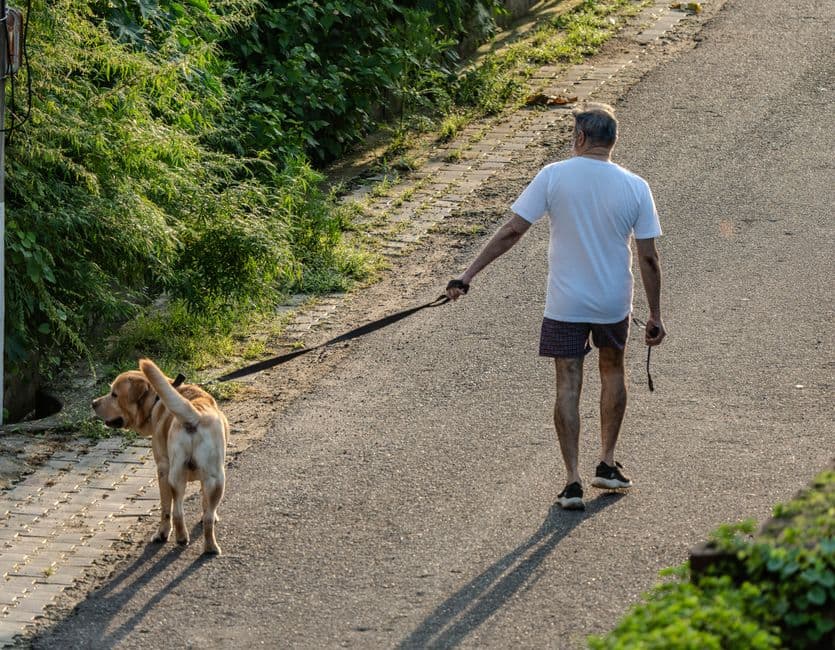
For many small breeds, daily activity works best when spread across the day instead of packed into one outing. That might mean a brisk morning walk, indoor play at midday, and a slower evening sniff walk. Tracking total daily activity can be more useful than counting one walk alone, especially for dogs whose movement comes in short bursts.
Good activity building blocks for small dogs
- Short walks at a comfortable pace
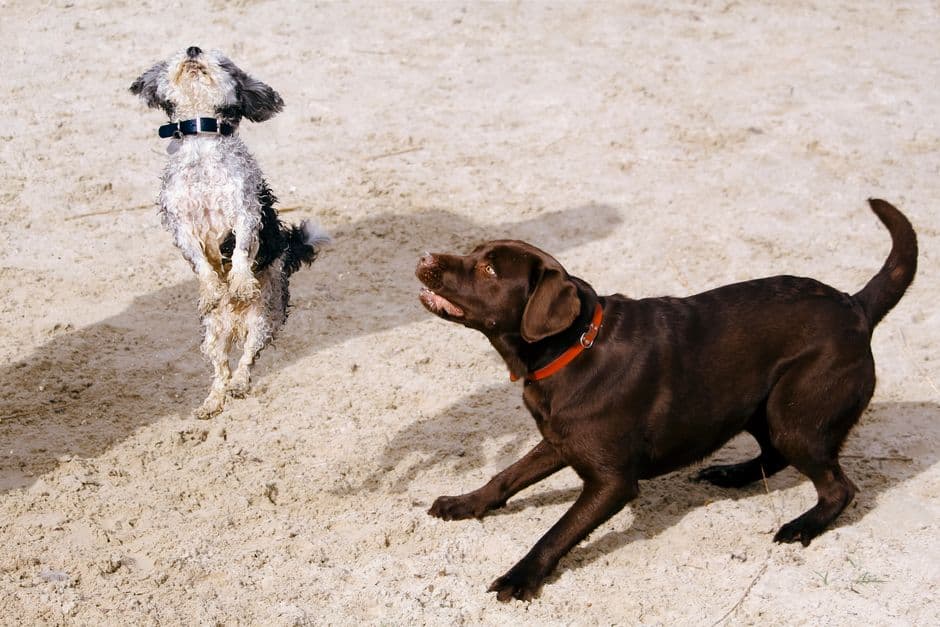
- Indoor fetch or toy-chase sessions
- Food puzzles or kibble scatter for foraging
- Short training sessions that get your dog moving
- Gentle stair-free games for dogs with joint concerns, after checking with your vet
- Sniff walks that add mental work as well as steps
A breed-tuned approach helps here. A young Miniature Pinscher, a senior Shih Tzu, and an adult Cavalier King Charles Spaniel may all be small, but they do not have the same energy pattern or physical limits. Pawmi’s approach is to set a personalized daily activity goal using breed, age, weight, and health, which is a better fit than assuming every dog needs the same target.
Build a small breed activity routine your dog can keep
The key takeaway: the best routine is one you can repeat most days. Reliable habits may help prevent gradual weight gain better than occasional intense exercise.
Small dogs often do well with predictable rhythms. Because many toy breeds can exercise indoors, bad weather or apartment living does not have to stop the routine. The goal is to keep calories used and calories consumed in balance, which aligns with the AVMA guidance on maintaining a healthy weight.
A simple daily routine template
- Morning: measured breakfast, then a short walk or indoor play.
- Midday: a brief potty walk plus a few minutes of training or foraging.
- Afternoon or evening: the main walk of the day, adjusted to your dog’s energy and weather tolerance.
- Later evening: a calm sniff outing or low-key indoor movement instead of extra treats.
If your dog begs between meals, try splitting the daily food into more than one feeding, if that suits your veterinarian’s advice. Some dogs do better when hunger is managed through meal timing rather than extra snacks.
Indoor options that still count
Indoor movement is still movement. AKC’s small-dog guidance supports the idea that little dogs can get useful exercise inside, which is especially helpful for toy breeds in hot weather, cold weather, or busy urban routines.
- Hallway recalls
- Tug with clear start-and-stop rules
- Kibble toss games across a room
- Hide-and-seek
- Mat-to-mat movement drills
Use body-condition checks, not the scale alone
The key takeaway: body weight tells only part of the story. Routine body-condition monitoring helps you notice change earlier than waiting for obvious weight gain.
The WSAVA Global Nutrition Guidelines provide body-condition-score charts, calorie tools, and feeding and monitoring charts. That matters because two small dogs at the same weight can have very different body condition. A compact dog with a visible waist and easy-to-feel ribs is not the same as a dog of the same weight with a rounded outline and thick fat cover.
At home, check your dog regularly from above and from the side. You should be able to feel the ribs without pressing hard, and your dog should have a visible waist. If you are not sure what healthy looks like for your breed, use the WSAVA charts and ask your veterinarian to show you how to score body condition correctly.
| What to monitor | Why it helps | What to do |
|---|---|---|
| Body condition score | Shows shape and fat cover, not just total weight | Use WSAVA charts and ask your vet to confirm your reading |
| Weekly or regular weight checks | May catch slow gain before it becomes obvious | Weigh on a consistent schedule |
| Treat intake | Small extras can push calories too high | Keep extras under 10% of daily calories |
| Daily activity pattern | Helps you spot low-movement days and build consistency | Track total daily activity, not just one walk |
If your dog’s body shape changes, if exercise tolerance drops, or if your dog seems painful or reluctant to move, consult your vet. Weight gain can overlap with age-related changes and other health concerns that need professional guidance.
Common mistakes that lead to weight creep
The key takeaway: most weight gain happens quietly. A few routine mistakes repeated every day often matter more than one big slip.
- Too many extras: treats, dental chews, toppers, and shared food all count.
- Assuming a yard is enough: free access outside is not the same as purposeful activity.
- Weekend-only exercise: small dogs benefit more from daily routine than from occasional long outings.
- Skipping mental work: AKC points out that small dogs need outlets for normal behavior, not just physical movement.
- Using body weight alone: WSAVA recommends monitoring body condition, not relying only on the number on the scale.
- Not adjusting for life stage: older dogs may need different routines and calorie intake than younger adults. The recent obesity review lists increased age as a risk factor.
If you want a simple system, keep three things visible: meal portions, treat budget, and daily movement. A personalized, breed-tuned target can make that easier to stick with than a generic step goal borrowed from human fitness.
Sources
- AAHA 2021 Nutrition and Weight Management Guidelines: Prevention of Obesity
- WSAVA Global Nutrition Guidelines
- WSAVA Frequently Asked Questions and Myths About Pet Nutrition
- AVMA Pet Healthy Weight Materials
- AKC: Small Dog Training Tips
- AKC: Important Reminders for Toy Dog Owners
- Peer-reviewed review: Canine Obesity Risk Factors and Management