Why a Sniffari Dog Walk Tires Dogs Out Faster

A sniffari dog walk can tire your dog out more than a longer, brisker route because sniffing is not “doing nothing” — it is intense mental work. When your dog slows down to investigate scent, they are processing social, environmental, and sensory information, which is why a shorter decompression walk can leave them more settled than a mileage-focused outing.
Why sniffing can be more tiring than covering distance
The short version: your dog is using their brain as much as their body on a sniff walk. That mental effort may wear dogs out quickly, even when the pace is slow.
The American Animal Hospital Association includes “sniff walks where your dog can explore at their own pace” under sensory enrichment and notes that letting pets use their noses can significantly reduce stress and frustration. AAHA also points out that mental challenges can be just as tiring as physical exercise, which helps explain why a relaxed, nose-led walk can leave your dog pleasantly tired without a lot of distance.
The AKC makes the same point more directly: sniffing is a strong form of mental stimulation, and it also increases a dog’s respiration rate, which adds to the effort. In AKC’s review of sniffing behavior, many dogs may get enough enrichment from about 20 to 30 minutes of sniffing to feel as tired as they would after a much longer walk with fewer opportunities to investigate scents.
That does not mean physical exercise stops mattering. It means mental vs physical exercise for a dog is not an either-or choice. Most dogs do best when they get both: some movement for the body, and some freedom to sniff, explore, and think.
What your dog is actually doing during a sniffari
On a sniffari, your dog is not stalling — they are gathering information. A dog’s nose is built for a level of detail humans simply cannot imagine, which is why “just sniffing” can be such a high-load activity.
According to the AKC, dogs have up to 300 million scent receptors, a much larger area of the brain devoted to smell than humans do, and a sense of smell at least 10,000 times stronger than ours. That helps explain why a patch of grass, a lamppost, or a hedge can hold your dog’s attention longer than the entire block holds yours.
AKC also describes walk-time sniffing as a form of canine social networking often called “pee-mail.” By smelling urine and other scent marks, dogs may gather information about other dogs, including sex, age, and health status. They may also choose spots to leave messages of their own.
Seen that way, a sniffari dog walk is part exercise, part newsfeed, part neighborhood check-in. Your dog is reading the environment, making choices, and updating their mental map of the world.
Why this matters for behavior on walks
If you rush your dog through every outing, you remove a big part of what makes walks satisfying. AKC advises that requiring heel work for the whole walk reduces the mental stimulation the walk can provide, and recommends rewarding loose-leash walking with frequent chances to sniff.
That is one reason some dogs come home from a fast, tightly controlled walk still restless. They moved their legs, but they did not get much chance to use their nose.
Sniff walks benefits: decompression, calm, and better walk quality
A decompression walk is less about steps and more about letting your dog settle into the environment. In a safe place, calm meandering and scent exploration may help your dog relax far more than a power walk around the block.
AAHA says nose-based enrichment can significantly reduce stress and frustration. AKC also notes that calm sniff sessions in safe areas can lower pulse rate and may help fearful dogs or dogs living in busy urban settings decompress.
That can make sniff walks especially useful for:
- Dogs who seem overstimulated after busy neighborhood walks
- Dogs recovering from a stressful day, such as guests at home or a loud outing
- Shy or cautious dogs who benefit from moving at their own pace
- High-energy dogs who still seem mentally “on” after physical exercise
- Older dogs who may enjoy rich sensory experiences even when they do not want long distances
These are not medical prescriptions, and if your dog shows sudden behavior changes, anxiety, pain, or exercise intolerance, talk to your veterinarian. But as an everyday enrichment tool, sniff walks are a simple, science-backed way to improve walk quality.
| Walk style | Main focus | What your dog gets |
|---|---|---|
| Brisk distance walk | Steady movement and aerobic effort | Physical exercise, routine, pace |
| Sniffari / decompression walk | Nose-led exploration at your dog’s pace | Mental stimulation, sensory enrichment, stress relief |
| Balanced walk | Short movement segments plus sniff breaks | Both body work and brain work |
How to do a sniffari dog walk well
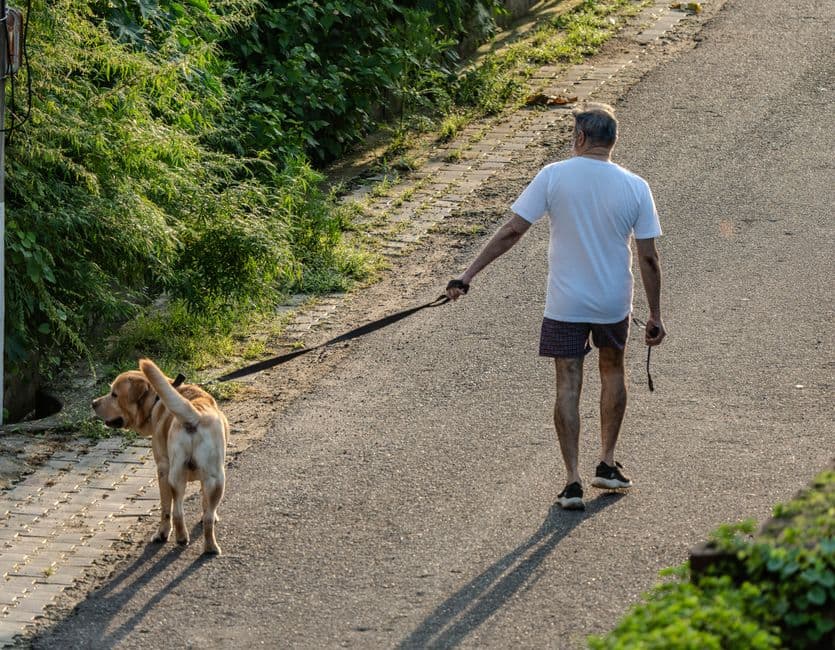
The best sniff walk is intentionally slower and less structured than your usual exercise outing. Your goal is not to rack up distance; it is to let your dog explore safely and make choices.
1. Pick the right place
Choose a safe, lower-stress area where your dog can pause without getting dragged along by traffic, crowds, or constant leash pressure. A quiet residential route, a grassy edge of a park, or a calm trail can work well.
2. Use enough leash for exploration
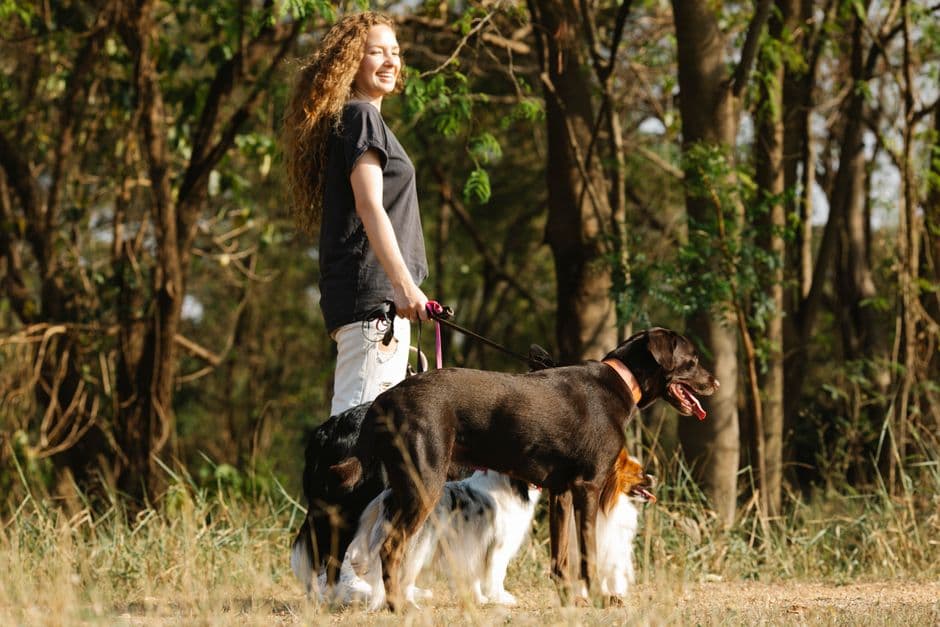
If local rules and safety allow, give your dog a bit more leash than you would for a strict sidewalk walk so they can move from scent to scent. You still want control, but not constant tension.
3. Let your dog set the agenda
On a sniffari, your dog chooses where to linger. If they want to spend a full minute investigating one patch of grass, that can be the point of the outing.
4. Reward walking with sniffing
AKC recommends using sniffing as a reward for loose-leash walking. Walk a short stretch together, then release your dog to investigate a mailbox post, tree base, or hedge. This can make walks feel more cooperative and less like a tug-of-war.
5. Keep sessions modest
You do not need a marathon. AKC notes that 20 to 30 minutes of sniffing may leave many dogs as tired as a much longer walk with little sniff time. For some dogs, even a shorter session can be satisfying if the environment is scent-rich.
6. Watch your dog, not your step count
A generic step target can miss the point of enrichment. A breed-tuned approach to daily activity looks at the whole dog — including age, size, breed tendencies, and health — and counts total daily activity, not just distance. A sniffari may not add many steps, but it can still be a valuable part of your dog’s day.
When to choose a sniffari instead of a faster walk
Some days call for cardio. Other days call for decompression. A sniff walk is often the better fit when your dog needs their brain engaged more than their legs pushed.
Try a sniffari when:
- Your dog seems wired after regular walks.
They may need more mental enrichment, not just more mileage. - Your schedule only allows a shorter outing.
A focused 20-minute decompression walk may be more satisfying than a rushed march. - Your dog is adjusting to a busy environment.
AKC notes calm sniff sessions may help urban or fearful dogs relax. - You are balancing exercise across the full day.
A morning potty-and-sniff walk, a play session later, and some home enrichment can add up well. - Your dog is older or not suited to long, intense outings.
Talk to your veterinarian about activity limits if your dog has health concerns, but many senior dogs still enjoy rich scent exploration.
A sniffari is not always the right tool. If your dog also needs vigorous exercise, training practice, or breed-specific work, sniff walks should complement those needs rather than replace them entirely.
Easy ways to add more mental enrichment to walks and home life
Sniff walks work best as part of a larger enrichment routine. If you want more sniff walks benefits, build in small scent-based games throughout the week.
- Scatter feeding in grass: Toss a portion of kibble into a safe patch of lawn and let your dog search with their nose.
- Find-it indoors: Hide a few treats around one room and encourage your dog to sniff them out.
- Sniff breaks on standard walks: Add several deliberate pauses instead of expecting nonstop forward motion.
- Simple scent trails: Drag a treat lightly across the ground for a short distance, then let your dog follow it.
- Rotate routes: New environments create new scent pictures, which can make even a short walk more engaging.
If you use an activity app like Pawmi, it can help to think beyond raw distance and count total daily activity in context. A younger sporting breed may still need substantial physical exercise plus enrichment, while an older companion breed may benefit greatly from a shorter walk with more sniffing freedom. Not every dog needs the same daily target, and not every useful walk looks impressive on a map.
A good sniffari is not a failed workout. It is a different kind of workout — one that asks your dog to think, investigate, and decompress.