Why Flat-Faced Breeds Need Short, Cool Walks

Yes: Pugs, French Bulldogs, and other flat-faced dogs usually need shorter, cooler walks than long-nosed breeds. Their skull shape leaves less room for normal airway structures, which can reduce airflow even at rest, so heat, humidity, excitement, and strenuous exercise can overwhelm them faster than many owners expect.
Why flat-faced dogs struggle more on walks
The main reason is simple: brachycephalic dogs do not move air as efficiently. That matters on every walk, but it matters most when the weather is warm, the route is hilly, or your dog gets excited and starts pulling.
The AVMA explains that short-nosed dogs have shortened skulls that crowd normal airway structures into a smaller space. In practice, that means less efficient airflow and a lower margin for error when your dog needs to cool off during exercise.
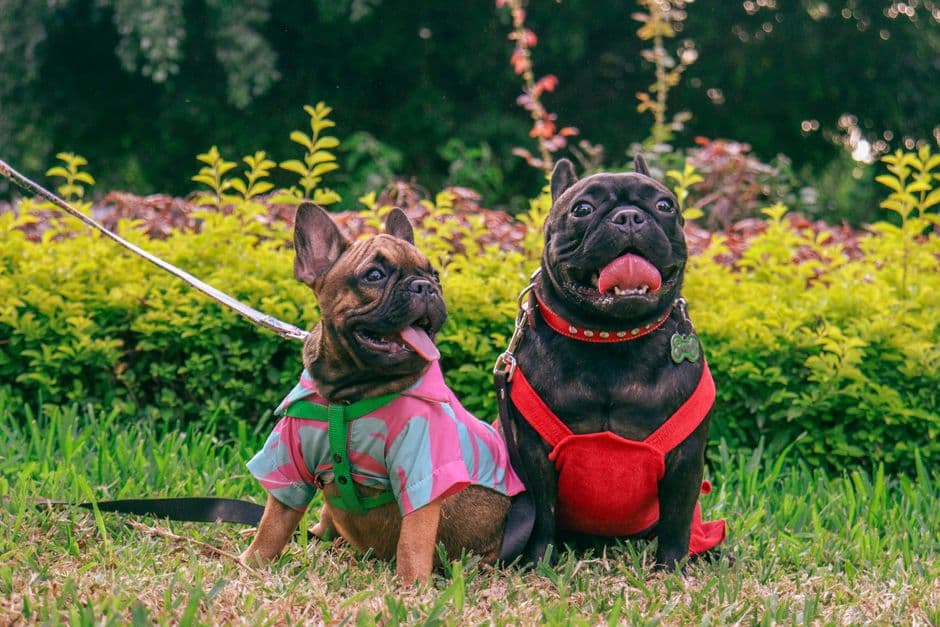
For French Bulldogs specifically, the AKC says they generally need only a short walk or outdoor play session each day to stay in shape. The AKC also notes that their short faces make breathing less efficient than in long-nosed breeds, so they are less tolerant of heat and strenuous exercise and do best in moderate temperatures.
A peer-reviewed review on heat-related illness in dogs found that brachycephalic breeds are likely at increased risk compared with non-brachycephalic dogs and are over-represented in heatstroke cases. You can read that review here: Veterinary evidence review on heat-related illness risk.
Breeds this commonly applies to
French Bulldogs and Pugs are the obvious examples, but the same short-faced build can affect other breeds too. If your dog has a compact muzzle, noisy breathing, exercise intolerance, or gets distressed quickly in warm weather, talk to your veterinarian about how cautious you should be with exercise.
- French Bulldog
- Pug
- Boston Terrier
- Bulldog
- Shih Tzu
- Pekingese
How long should a brachycephalic walk be?
For flat-faced dogs, walk length should be short enough that breathing stays easy from start to finish. There is no one-size-fits-all number, but the best starting point is brief, cool outings and close observation rather than aiming for a step count or a long distance.
The AKC is very direct about French Bulldogs: a short daily walk or outdoor play session is usually enough, and they should never be allowed to exert themselves in hot or humid weather. That makes brachycephalic walk length less about mileage and more about conditions, pace, age, body weight, and how your individual dog breathes.
A practical starting range by age
These are cautious starting ranges for healthy dogs, not hard rules. If your dog has had breathing problems, is overweight, is recovering from illness, or is a rescue with an unknown history, consult your vet before increasing activity.
| Dog stage | Cool-weather outing idea | What to watch |
|---|---|---|
| Puppy | Several very short potty walks and brief sniffy outings | Excitement, pulling, noisy breathing, quick fatigue |
| Adult | One or two short walks, often around 10–20 minutes each if comfortable | Steady pace, easy breathing, willingness to continue |
| Senior | Shorter, slower walks with more breaks | Lagging, stopping, heavier breathing, stiffness |
For many Frenchies and Pugs, several short outings can work better than one long session. A breed-tuned approach like Pawmi’s can help you think in terms of total daily activity shaped by breed, age, weight, and health, instead of assuming every dog should handle the same long walk.
Why the right length changes day to day
A comfortable walk on a mild morning may be too much on a humid evening. A peer-reviewed review of French Bulldogs with brachycephalic obstructive airway syndrome notes that higher ambient temperature, humidity, excitement, exercise, and stress can all worsen signs because the same upper-airway abnormalities also interfere with normal cooling during exertion.
That review is here: French Bulldogs and brachycephalic airway disease review.
Why heat changes everything for Pugs and French Bulldogs
If you remember one rule, make it this: pug walking in heat is risky, even when the walk seems short. Flat-faced dogs can get into trouble quickly because the same airway shape that makes breathing harder also makes cooling less effective.
The AAHA advises that brachycephalic, overweight, senior, very young, or medically fragile pets should stay indoors during hot weather except for short bathroom breaks. That is strong support for skipping the “just one normal walk” mindset in summer.
AAHA also warns that brachycephalic dogs are disproportionately affected by heat stress and may become ill after mere minutes outside. Their heat safety guidance notes that heatstroke in pets typically involves body temperature rising above 105°F. See the advisory here: AAHA heat safety warning.
Hot air is not the only problem
Pavement can be dangerous before the air temperature sounds extreme. According to AAHA, ground surfaces can be 40–60°F hotter than the air, which adds paw-burn risk on top of overheating risk.
That means a “quick block walk” can still be a bad idea if your dog is breathing hard and the sidewalk is radiating heat. Early morning and later evening are usually safer than midday, but always check the conditions where your dog will actually walk.
Better summer exercise options
- Short potty trips only during the hottest part of the day
- Brief early-morning walks at an easy pace
- Indoor scent games and food puzzles
- Short training sessions with rest breaks
- Gentle indoor play on non-slip flooring
How to choose safe flat faced dog exercise
The best flat faced dog exercise is controlled, low-drama, and easy to stop. Think sniffing, strolling, and short play bursts rather than jogging, forced distance, or rough play in warm weather.
French Bulldogs, for example, were not bred for endurance work. Their compact build, shorter muzzle, and lower heat tolerance mean many do better with moderate daily movement in cool conditions than with “fitness challenge” style routines.
Good exercise choices
- Leisurely leash walks: Keep the pace easy enough that your dog is not straining or pulling hard.
- Sniff walks: Slower walks with lots of sniffing can provide enrichment without pushing intensity.
- Short play sessions: A few minutes of toy play, then rest.
- Indoor training: Practice cues, targeting, or mat work in air conditioning.
- Split sessions: Two or three shorter outings may be better than one longer one.
Exercise to be careful with
- Running beside a bike or jogger
- Long uphill walks
- Dog park chasing in warm weather
- Midday summer walks
- Any outing where your dog gets overexcited and cannot settle
When to stop the walk
End the outing right away if your dog shows struggling, distressed, or rapidly worsening breathing. Talk to your veterinarian if you notice repeated exercise intolerance, loud breathing, gagging, frequent stops, or poor recovery after mild activity.
- Heavy or noisy breathing that escalates
- Frequent stopping or refusing to continue
- Dragging behind or lying down
- Excessive drooling
- Distress, agitation, or glassy focus
If your dog seems overheated or unwell, seek veterinary advice promptly. If signs are severe or sudden, contact an emergency veterinarian right away.
A simple walk plan for Pugs and French Bulldogs
A good routine is boring in the best way: short, predictable, and adapted to conditions. The goal is not to prove stamina; it is to meet your dog’s daily movement needs without pushing past what their body handles well.
Use this checklist before you go out
- Check temperature and humidity. If it feels muggy or hot, switch to a bathroom break and indoor activity.
- Touch the pavement. If it feels very hot to your hand, choose grass, shade, or stay inside.
- Pick the coolest time. Early morning is often best.
- Keep gear simple. Avoid anything that makes breathing or cooling harder.
- Start short. Let your dog’s breathing decide whether the outing stays brief.
- Watch recovery. After the walk, your dog should settle fairly quickly in a cool environment.
Sample routines
Mild day: A short morning walk, a brief evening sniff outing, and indoor enrichment later. For many adult French Bulldogs, that may be enough.
Hot or humid day: Very short bathroom trips only outside, plus indoor training, puzzle feeding, and calm play. This follows AAHA guidance for brachycephalic pets in hot weather.
Senior or overweight dog: Shorter, slower outings with extra rest. Because weight and age can further reduce heat tolerance, consult your vet for a safe plan.
Sources
- AVMA: Short-nosed Dogs and Air Travel FAQs
- AKC: French Bulldog breed information
- AKC: Is a French Bulldog right for you?
- AAHA: How to prevent heatstroke in dogs and cats
- AAHA: Heat safety warnings for veterinary teams and pet owners
- AAHA: How to protect dog paws from hot pavement
- Peer-reviewed review: Heat-related illness risk in dogs
- Peer-reviewed review: French Bulldogs and brachycephalic obstructive airway syndrome